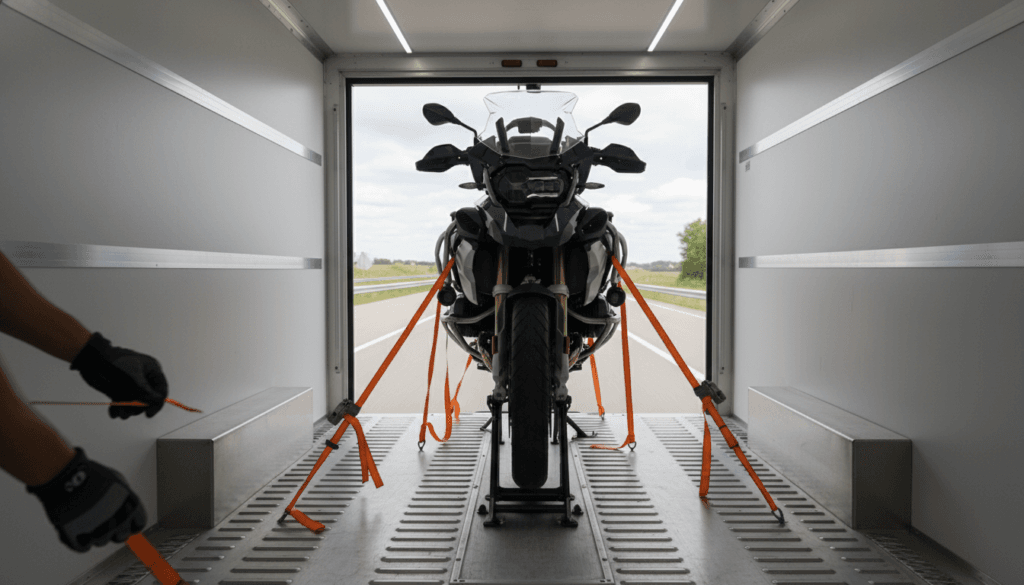
Long-distance transport requires more than just a few bungee cords; it demands a strategic approach to ensure your pride and joy remains upright and undamaged throughout the journey. Whether you are moving across the state or heading to a winter rally in January 2026, understanding the nuances of motorcycle towing is essential for any rider who values their machine.
Table of Contents
The Essentials of Long-Distance Motorcycle Transport
Securing a motorcycle for a long haul is significantly different from a quick five-mile trip to the local mechanic. Over hundreds of miles, vibration, wind resistance, and road fluctuations can cause straps to loosen or components to rub. Professionals who specialize in motorcycle towing emphasize that the goal is to create a “unified mass” between the bike and the transport vehicle.
In the current winter climate of early 2026, riders also need to consider environmental factors. Road salt used in higher elevations or during rare cold snaps in the Mesa area can be corrosive, and fluctuating temperatures can affect tire pressure. Before you even touch a tie-down strap, ensure your bike is clean and your tires are inflated to the manufacturer’s recommended “cold” PSI.
Must-Have Equipment for Secure Hauling
To secure your bike like a professional, you need the right tools. Standard hardware store ropes are insufficient and dangerous. Instead, invest in high-quality ratcheting tie-downs with a high break-strength rating. Many riders also prefer “soft loops” to prevent metal hooks from scratching chrome or painted surfaces.
| Equipment Item | Purpose | Pro Tip |
|---|---|---|
| Wheel Chock | Stabilizes the front tire | Bolt it to the trailer floor for maximum security. |
| Ratchet Straps | Provides tension and security | Use at least four points of contact. |
| Soft Loops | Protects handlebars and frame | Prevents hook-to-metal contact. |
| Fork Brace | Prevents over-compression | Essential for dirt bikes and long-travel suspensions. |
Step-by-Step Guide to Securing Your Bike
When you are ready to load, follow this systematic approach used by motorcycle towing experts to ensure nothing is left to chance. If you find yourself overwhelmed or lack the necessary equipment, it is often safer to rely on professional vehicle towing services that utilize specialized flatbeds and cradles.
- Position the Front Wheel: Drive or roll the bike into a wheel chock. This keeps the front end from twisting and provides a stable pivot point for your straps.
- Attach Front Tie-Downs: Connect your soft loops to a solid point on the frame or the lower triple tree. Avoid attaching to handlebars unless you use a specialized handlebar harness, as excessive pressure can bend them.
- Compress the Suspension: Tighten the front straps evenly until the suspension is compressed about halfway. You want enough tension to keep the hooks from unseating, but not so much that you blow out your fork seals.
- Secure the Rear: Attach two more straps to the rear frame or passenger peg brackets. These straps should pull slightly forward and outward to prevent the back of the bike from hopping or sliding sideways during turns.
- The Shake Test: Once everything is tight, give the bike a vigorous shake. It should move with the trailer or truck—not independently of it.
Common Pitfalls in Long-Distance Hauling
Even experienced riders make mistakes that can lead to costly repairs. One of the most frequent errors is leaving the kickstand down. While it seems like it adds stability, a kickstand can punch a hole through a trailer floor or snap off if the bike bounces, potentially causing the motorcycle to fall. Always haul with the kickstand up and the bike held vertical by strap tension.
Another common issue is failing to account for the “settling” of the straps. Within the first 20 to 50 miles of your trip, pull over and re-check every connection. Road vibrations often cause straps to find a “seat,” which can result in a loss of tension. If you encounter any mechanical issues during your trip, remember that a reliable roadside assistance provider can save you from a dangerous situation on the shoulder of a busy highway.
Special Considerations for January Weather
Transporting a motorcycle in mid-January involves unique challenges. If you are moving a bike from a cold climate to the warmer Mesa desert, condensation can build up in the fuel tank and electrical components. If the bike is being hauled on an open trailer, consider using a high-quality, breathable cover. However, ensure the cover is extremely tight; a flapping cover can act like sandpaper against your bike’s paint at highway speeds.
Why Professional Help is Sometimes the Best Option
While DIY hauling is possible, motorcycle towing involves significant liability and physical effort. Professional services like Tow Mesa utilize specialized equipment, such as the “Condor” lift system or hydraulic drop-deck trailers, which eliminate the steep inclines of traditional ramps. This is particularly important for heavy cruisers or low-clearance sportbikes where the risk of “high-centering” is high.
Furthermore, professional transport includes insurance coverage that your standard auto policy might not provide while the bike is in transit. If you are planning a move and want to compare the costs of DIY versus professional transport, you can easily request quote details online to make an informed decision for your budget and peace of mind.
Securing your motorcycle for the long haul is about patience and precision. By using the right gear, checking your work frequently, and understanding the physics of a moving load, you can ensure your motorcycle arrives ready for the open road. Don’t let a transport mishap ruin your riding season before it even begins.
If you need professional assistance moving your bike safely and efficiently, the team at Tow Mesa is ready to help. Contact our experts today at 480-725-5862 to discuss your transport needs. For a fast and accurate estimate on your next haul, simply get a motorcycle transport quote through our secure online portal.